Katherine Gorge is one of the most beautiful natural wonders in the Northern Territory, famous for its deep gorges, ancient sandstone cliffs and stunning landscapes that attract visitors from all over the world. As a key attraction in Australia’s Top End, this region is significant not only for its scenery but also for its Aboriginal history and culture. One of the first questions many visitors ask is: What is the Aboriginal name for Katherine Gorge and what does it mean to the traditional owners?

Contents
The Aboriginal Name
The Aboriginal name for Katherine Gorge is Nitmiluk (pronounced “nit-me-look”). The Jawoyn people, the traditional owners of this land, have lived here for tens of thousands of years. In the Jawoyn language, “Nitmiluk” means “cicada place”—a name that reflects the temperature, the sounds of the bush and the Jawoyn’s deep connection to their traditional lands.
Cultural History and Significance
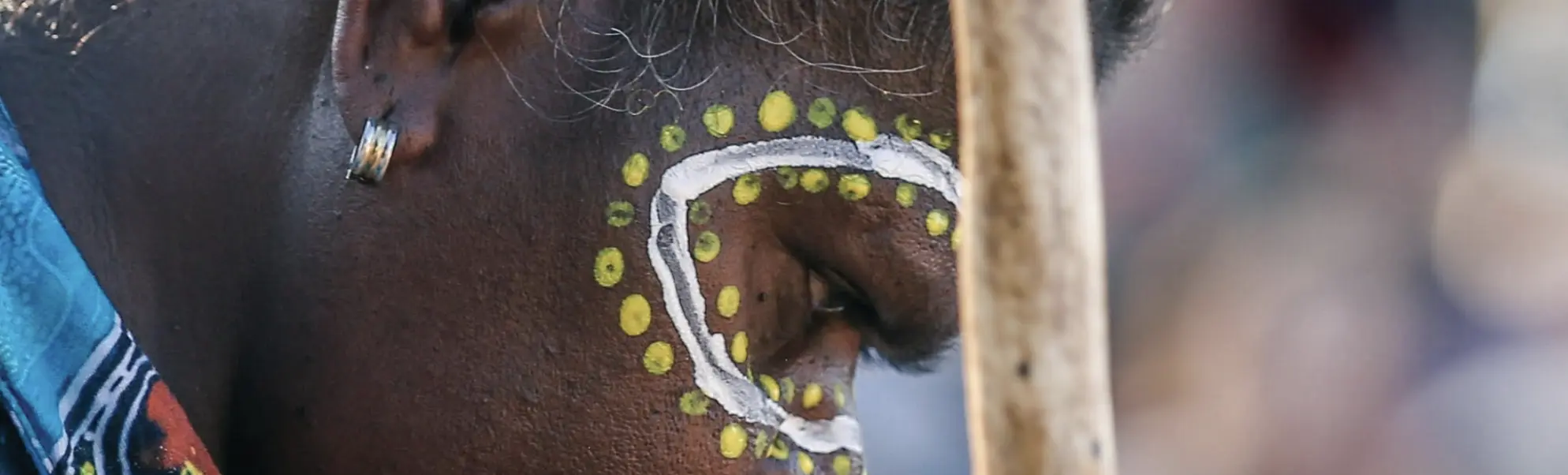
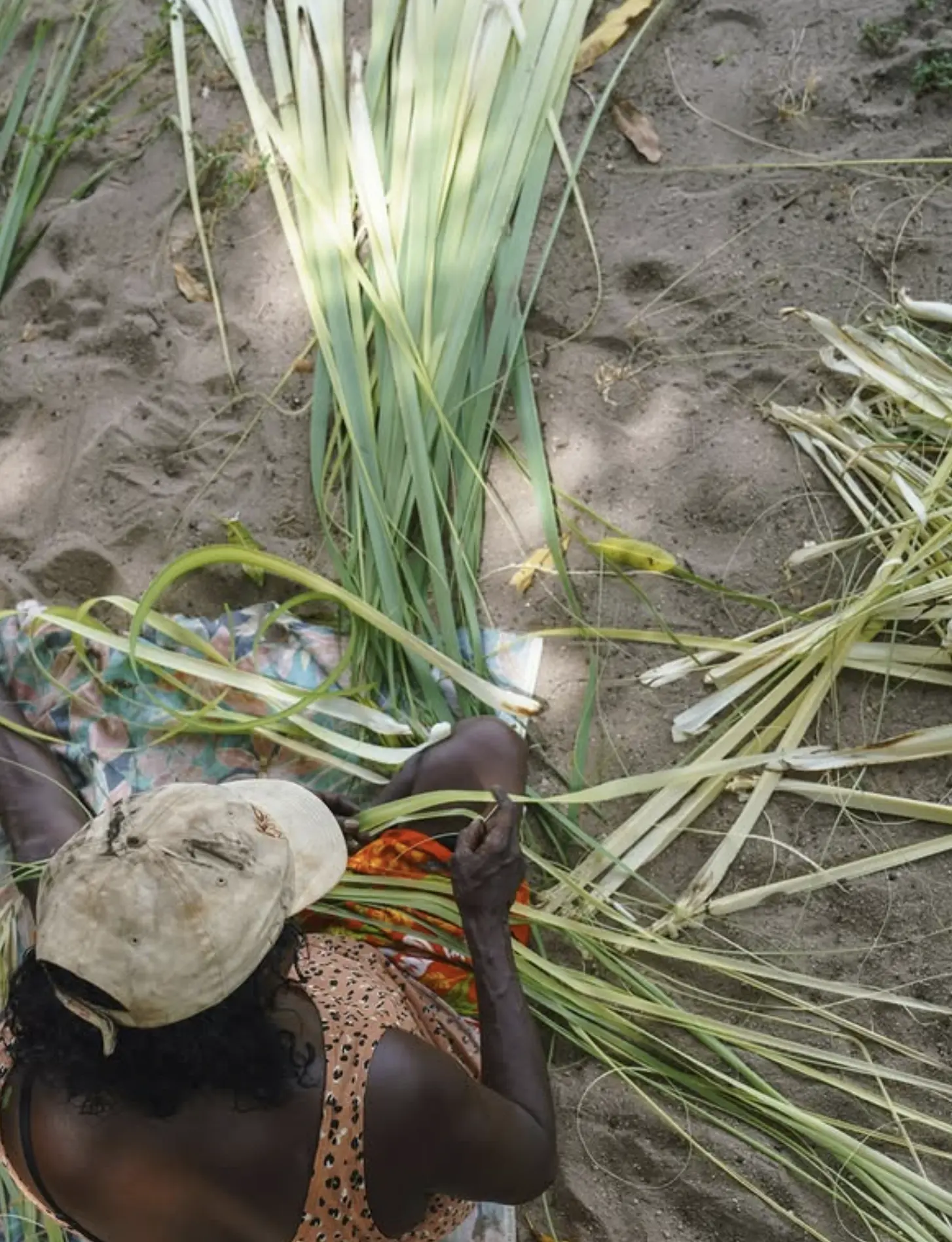
To the Jawoyn people, Nitmiluk is not just a tourist attraction—it’s a living cultural and historical site. The rock formations, separate gorges and deep pools are featured in Dreamtime stories that tell how ancestral beings shaped the land. Along the walking trails and on boat cruises through the deep gorge, visitors see ancient rock paintings and intricate rock art, some of which are thousands of years old. These sacred sites are preserved as a testament to the ongoing traditions and respect the Jawoyn have for their land.
The national parks in this region—including Nitmiluk National Park—are jointly managed by the Jawoyn people and the Northern Territory Parks and Wildlife Commission. This partnership ensures environmental conservation and Aboriginal culture in everyday park management.
Experiences and Activities
If you’re looking at a Katherine Gorge tour, there are so many ways to experience the magic of Nitmiluk. One of the most popular is a guided boat tour through the gorge where the ancient sandstone cliffs rise up above the water and rock pools. During the wet season the water level rises dramatically and sometimes connects the separate gorges and creates waterfalls that cascade into deep pools. In the dry season the water level drops and the sandy banks are exposed making swimming possible in some of the rock pools.
Helicopter flights and helicopter tours are also a highlight for those booking a Katherine Gorge tour, providing an incredible “browser window” view of the gorge and iconic locations like the railway bridge. From above you can see the patchwork of rock art sites, separate gorges and stunning landscapes stretching out in every direction, especially dramatic during electrical storms or the wet season.

For those looking for an adventure, the Katherine Gorge trip offers a network of walking trails that lead to lookouts, ancient rock art, deep pools and vantage points where you can really take in the scale and grandeur of the gorge. Along the way interpretive signs share information about the area’s Aboriginal history, natural wonders and the agricultural industries that have shaped the region.
Nearby Tour Destinations
While Nitmiluk Gorge is the main attraction, there are several other amazing destinations nearby making this region a hub for adventure travellers:
- Leliyn (Edith Falls): Just north of Nitmiluk, Edith Falls is famous for its deep rock pools, stunning waterfalls and swimming spots – an ideal stop during the dry season.
- Elsey National Park: South of Katherine, Elsey National Park has natural hot springs, lush landscapes, ancient culture and unique wildlife.
- Cutta Cutta Caves Nature Park: Just outside Katherine these caves showcase extraordinary limestone formations, rare wildlife and a different view of the ancient landscape.
Many visitors book a guided tour to Katherine Gorge with companies like Wildlife Tours who specialise in immersive tours that connect you with Aboriginal history, local culture and the best of the Top End.
Crocodile Management
Nitmiluk has a great variety of wildlife including wallabies, rare birds, turtles and – most famously – freshwater and saltwater crocodiles. Saltwater crocodiles are monitored by rangers particularly after the wet season when the water levels rise and they can travel upstream. Before swimming in deep pools or rock pools always check the current safety advice at the visitor centre. The advantage of crocodile management is that during the dry season many swimming areas are declared safe and regularly checked.
Visitor Centre, Facilities and Year-Round Access
The visitor centre at Nitmiluk National Park is the starting point for most Katherine Gorge tours and has information on the park’s traditional owners, agriculture industries, current water level, boat cruise schedules and helicopter flights. Modern toilet facilities and picnic areas are throughout the park so it’s comfortable and accessible for families and group tours.
The tourism industry here is big and has a wide range of options from aboriginal cultural tours to eco-friendly boat cruises and multi-day hiking experiences. These showcase the diversity of the national parks and support the local Jawoyn community.
Dry Season vs Wet Season
Nitmiluk changes dramatically each year with the dry season and wet season. In the dry season you have clear skies, lower water levels, accessible walking trails and safe swimming in deep pools and rock pools. The temperature is more manageable and it’s the perfect time for long walks and exploring ancient rock paintings.
In the wet season the park comes alive with electrical storms, rising water levels and an explosion of greenery. Some sections of the gorge are only accessible by boat or helicopter and others may be closed for safety. The wet season is a rare opportunity to see the gorge in its wildest and most powerful state – one of the Top End’s most iconic locations.
If you’re planning Katherine tours in either season it’s a good idea to check current conditions and tour schedules in advance.
Respect for Aboriginal Culture and Responsible Travel
As you walk through Katherine Gorge and its ancient landscape it’s important to respect the traditions and wishes of the traditional owners. Some sites in the national parks are sacred and off-limits to visitors. Always follow guidance from Jawoyn rangers, stay on marked trails and don’t touch or photograph sensitive rock art sites without permission. Every time you visit and every tour to Katherine Gorge respect the culture of Nitmiluk – whether you’re in “sunny mode” or seeking shelter from a storm or listening to stories from local guides.
FAQ
What’s the Aboriginal name for Katherine Gorge?
Nitmiluk means “cicada place” in the Jawoyn language, referring to the sounds and atmosphere during the dry and wet seasons.
Who are the traditional owners of Katherine Gorge?
The Jawoyn people are the traditional custodians of Nitmiluk and its ancient sandstone landscapes for thousands of years.
What can visitors expect at Nitmiluk National Park?
Boat cruises, helicopter flights, hiking trails, rock art sites, a visitor centre and modern toilets to see the amazing rock formations, deep pools and cultural history.
How do the seasons affect Nitmiluk Gorge?
Dry season: easier access to rock pools and hiking trails. Wet season: higher water levels, electrical storms and changes to tours and swimming areas.
What wildlife and safety concerns should I be aware of?
Saltwater crocodiles may be present especially after the wet season. Always check water level warnings, ranger advice and visitor centre updates before swimming or hiking near deep water.