 by
by What are the best inland detours to avoid the summer crowds? Don’t bother trying to outsmart the peak tourist season traffic by shooting off to the coast at the last minute. Instead, head inland early and follow well-trodden inland routes – preferably ones that’ve been road tested already. Then just build your trip around national parks, country towns and outback roads that are actually open in summer. That’s the way to do it – and let’s be honest, it works a whole lot better than trying to outwit the tourist traffic on routes like the Great Ocean Road or Grand Pacific Drive.
I’ve watched heaps of travellers spend half a day stuck crawling behind buses on a Great Ocean Road day tour, only to go “wow, this is actually the best bit of the trip” when they accidentally stumbled across an inland detour. Not bad luck, that’s just a recipe for disaster – and that’s a clear sign that the planning just wasn’t done right. Inland routes, on the other hand, give you breathing room, flexibility and a whole lot better chance at having a good time instead of being a slave to your itinerary.
Contents
- 1 Why Inland Detours Actually Work
- 2 NSW Inland Loop – Blue Mountains To Carcoar
- 3 Victoria Inland Alternative To Avoid GOR Traffic
- 4 Queensland Inland Route: Carnarvon–Cobbold
- 5 SA Interior: Flinders Ranges Route
- 6 WA Inland Approach: No Rush, Better Experience
- 7 Route Comparison Table (Real Conditions, Not Sales Talk)
- 8 The Real Stuff That Makes Or Breaks Your Trip
- 9 When You Only Have One Day
- 10 Who It Suits (And Who Should Avoid)
- 11 A Reality Check From The Road
- 12 Inland Isn’t The Backup Plan – It’s The Better One
- 13 Wrap-up
- 14 FAQ
Why Inland Detours Actually Work
Summer travel in Australia is pretty predictable. Everyone chases the coastal hotspots, traffic management is a nightmare, and caravan parks get booked out weeks in advance. Meanwhile, inland regions sit empty – not because they’re not any good, but because people just don’t know about them.
What most people get wrong is assuming inland travel is a breeze just because it’s a lot quieter. It’s not. It’s only better – and only if you pay attention to what you’re getting yourself into. Distances are way longer, service stations are fewer and further between, and the heat can become a real problem.
Tourism data has shown time and time again that there’s a massive skew towards coastal travel in peak season – that’s why inland regions can feel so deserted – you’re just moving away from where everyone else is.
NSW Inland Loop – Blue Mountains To Carcoar
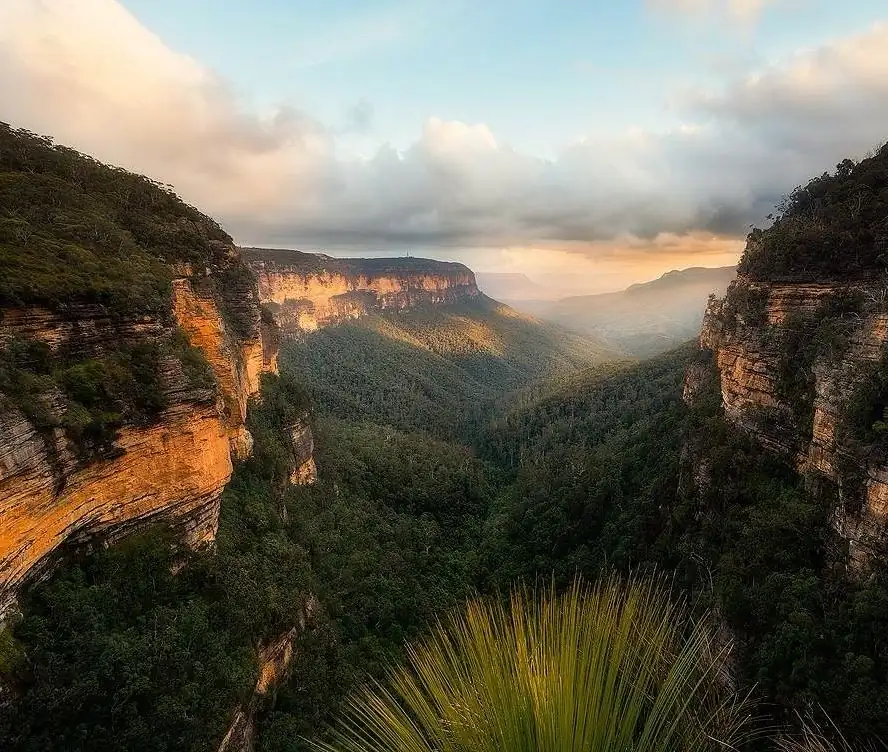
You don’t need to head out to the middle of nowhere to escape the crowds. You just need to get a head start by heading inland early.
Route Breakdown and Getting Around
Start heading west of Sydney and get on the M4 into the Blue Mountains. Most people stop there – and that’s exactly the problem. Keep on going, then head south towards Goulburn Wetlands and on to Carcoar.
The roads are all sealed and smooth the whole way. You can do this in a standard car, caravan or motorhome with no issues at all.
What Catches Travellers Off Guard
The Blue Mountains are where most trips start to go pear-shaped. If you arrive after 9 am in summer, you’ll be stuck fighting for a parking spot. I’ve had to re-arrange entire itineraries because travellers spent two hours just trying to find a spot.
The fix is easy – just get going early or don’t stop so long.
Once you get past the mountains, the crowds just disappear. Goulburn Wetlands gives you some great birdlife and heaps of space, and Carcoar Dam is a solid spot to stop and have a cool drink – it’s calm, accessible and rarely busy.
Real Time and Running Costs
Sydney to the mountains might say 90 minutes, but in summer, allow more like 2.5-3 hours to clear traffic and make a few stops. From there to Carcoar will take about 4-5 hours if you actually enjoy the drive (rather than rushing to get there).
Victoria Inland Alternative To Avoid GOR Traffic
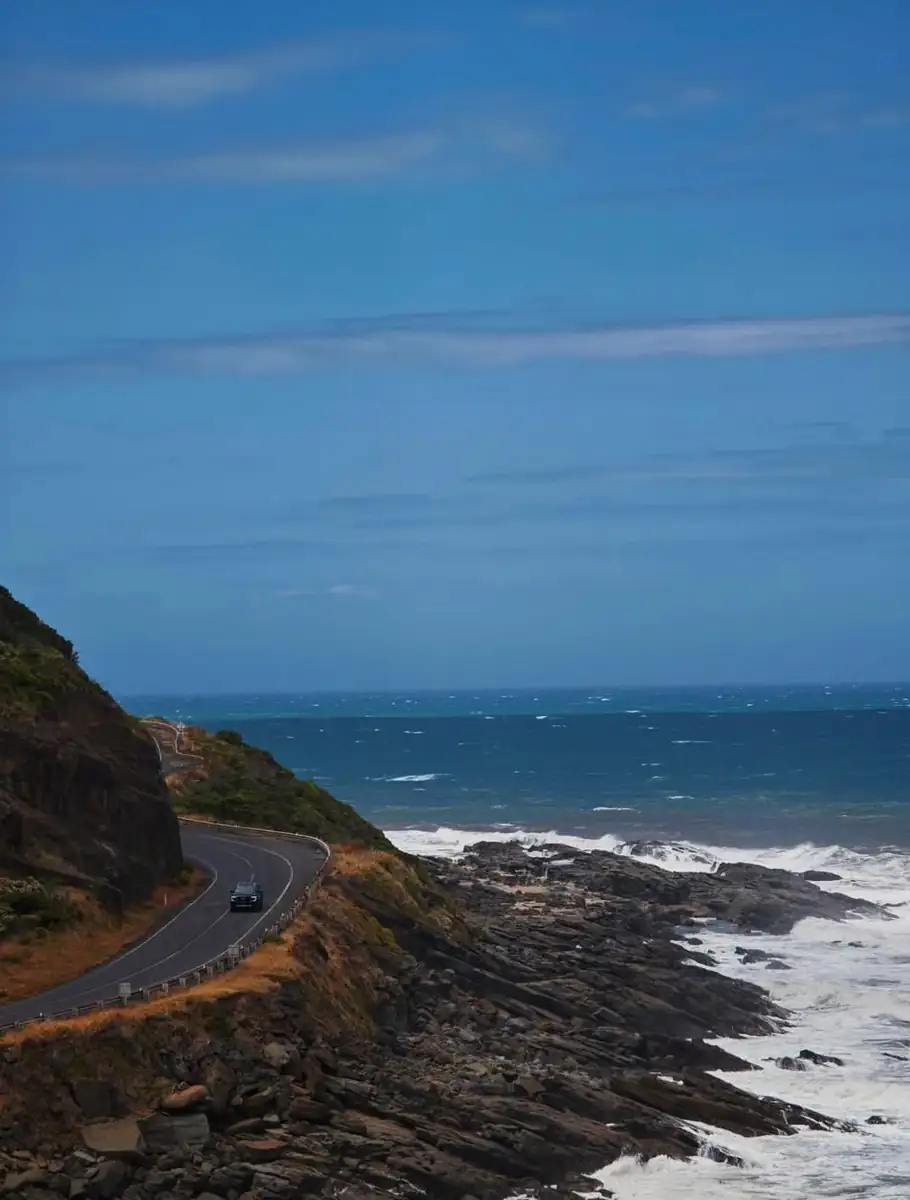
Loads of travellers plan their trip around a classic Great Ocean Road Tour Melbourne. It’s iconic and all – but in summer, it’s a real grind – slow, crowded and as tightly managed as a school reunion.
The smarter move is to head inland and follow the same route from a different angle.
How It Works
From Melbourne, head up to Mansfield instead of hugging the coastline. Then connect to Bright or Omeo via the High Country.
And you know what? This keeps you in similar territory – bush, rivers, alpine air – but without the crowds.
Expectations vs Reality
Most people expect inland Victoria to be some kind of consolation prize. But it’s not. It’s just a different way of doing things.
You won’t get the views that are crammed with tourists. What you will get is space, cleaner air, and some amazing hiking trails that aren’t heaving with people.
Some Safety Notes On The Drive
Roads in the High Country can be pretty tight and twisty. If you’re towing a trailer or haven’t done much mountain driving before, just take it easy. No need to rush, pal.
Queensland Inland Route: Carnarvon–Cobbold

This is where inland travel starts to get a bit more challenging – and a lot more rewarding.
How To Get There
From Brisbane, head west to Toowoomba (about 2 hours). Then it’s another 4-5 hours on to Carnarvon Gorge. Cobbold Gorge, however, needs to be booked ahead – you can’t just rock up.
What People Often Get Wrong
They tend to underestimate just how hot it gets, and overestimate how much they can cram into one day
I’ve seen people try to tackle a full day’s hike in 35-degree heat with barely enough water. That’s not just uncomfortable – that’s actually pretty bloody stupid.
What It’s Really Like
Carnarvon Gorge walks are about 5-10 k’s return. Even the shaded parts stay warm. Just get an early start, carry plenty of water, and pace yourself.
Cobbold Gorge is tightly managed with visitor numbers capped, which keeps it nice and quiet – but also means you need to plan ahead.
Rough Estimate of Costs
Camping at Carnarvon Gorge will set you back $15- $25 per night. Cobbold Gorge tours are around $100-$130 a pop. And as you go inland, your fuel costs will mount up, so make sure to factor that in.
SA Interior: Flinders Ranges Route
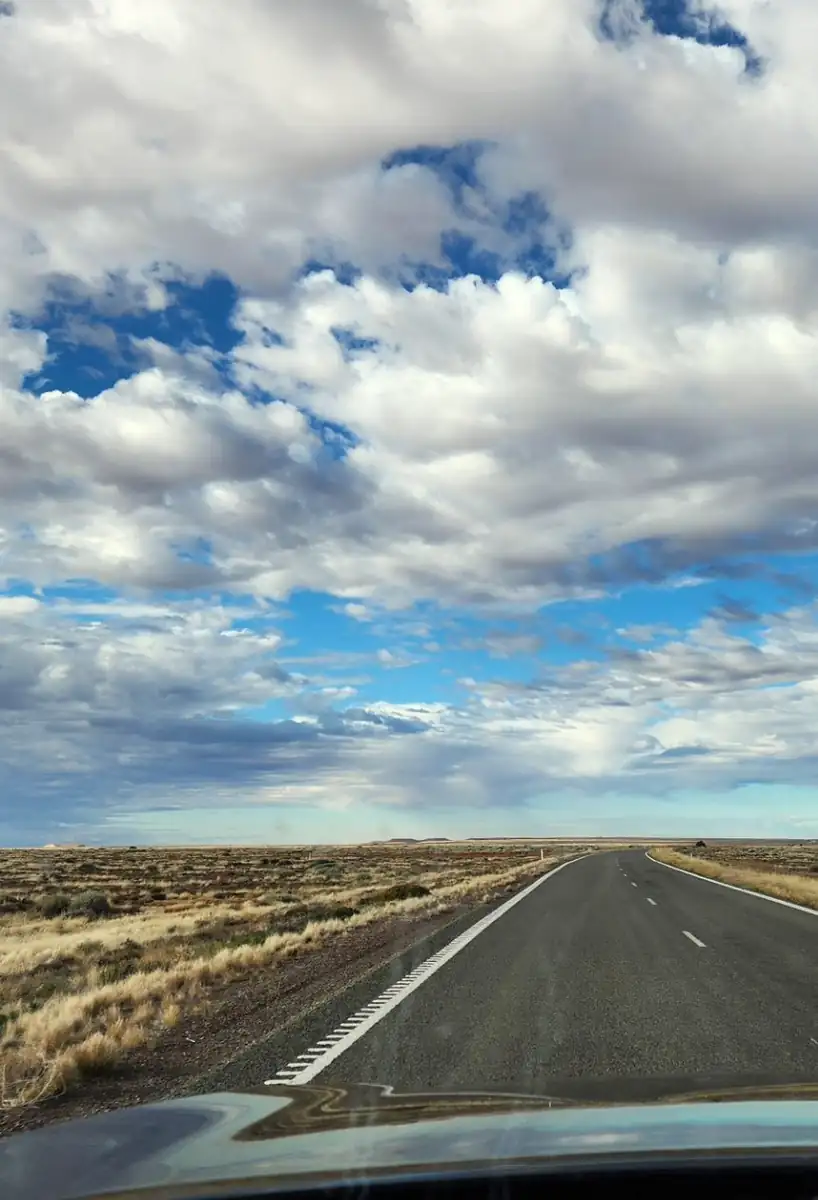
Once you make it into the outback of South Australia, be prepared for some seriously tough conditions.
Getting There & Back
Drive north from Port Augusta to Wilpena Pound and then on to Blinman. The good news is that the majority of the route is sealed roads – though you’ll still need a 4WD to really get off the beaten track.
The Common Mistakes People Make
You guessed it – it’s the heat and getting your timing wrong.
Summer days can reach 40°C, and if you’re out driving, well, let’s just say you’re not doing it the smart way.
So How to Do It Right
Start your day early & keep driving till it’s hottest, then call it a day and come back to it later. It’s about finding a rhythm, not trying to stick to some rigid schedule.
And then there’s the wildlife to contend with – those roos are most active at dawn and dusk – just when you’ll be out driving. So you gotta be on the ball.
WA Inland Approach: No Rush, Better Experience
I mean lets be honest, places like Ningaloo Reef are pretty special – but the peak tourist season just takes the edge off.
The Best Way to Do It
Get up into the Wheatbelt first and then come back down to the coast when the crowds have dissipated.
This way, you can avoid all the fuss and really take in all the coastal highlights in peace.
What I’ve Seen Happen
Time and time again, I see people rushing out to see the coast, only to get caught up in the crowds. On the other hand, people who start by heading inland take their time and end up enjoying the journey much more.
Not even the tour operators running the fancy ocean road trips from Melbourne get it right – they all know that timing is everything, not just where you are.
Route Comparison Table (Real Conditions, Not Sales Talk)
| Route | Distance | Drive Difficulty | Summer Impact | Best For |
|---|---|---|---|---|
| Blue Mountains → Carcoar | ~350 km | Easy | Moderate heat | Short inland escape |
| VIC High Country | 300–500 km | Moderate | Cooler temps | Scenic driving |
| Carnarvon → Cobbold | 600+ km | Moderate | High heat | Hiking + remote travel |
| Flinders Ranges Loop | ~400 km | Easy–Moderate | Extreme heat | Outback experience |
| WA Wheatbelt | 300–700 km | Easy | Hot, dry | Low-traffic routes |
The Real Stuff That Makes Or Breaks Your Trip
This is where most people’s inland trips either come out on top – or hit the buffers – and it’s rarely down to the places you visit, but the decisions you make.
You don’t need the latest gadgets or the most up-to-date software to have a good trip. A web browser isn’t going to help you out much when you’ve got no phone signal anyway. I’ve seen people get far too caught up in setting up tech setups with things like pop-up blockers and script blockers… only to find that none of it even matters when you’re camping out with no internet.
What really matters is being prepared and having your wits about you.
Quick Checklist
- Make sure you’re carrying at least 4-5 litres of water per person per day
- Refuel at half a tank – don’t push your luck
- Get your hands on offline maps
- Check the road conditions regularly
- Get up early and drive in the morning and the evening, not during the middle of the day
If you’re holidaying in a motorhome – especially with a setup like a Maui motorhome – then lithium batteries can make a massive difference to how easily you can stay off-grid. But again, they’re a bonus, not a solution to having no plan at all.
When You Only Have One Day
If you only have one day, and you’re planning to do some inland sightseeing, then you need to be realistic about what you can achieve.
Your best bet is to focus on one single inland route – like the Blue Mountains and beyond. Don’t even think about trying to mix inland and coastal routes into one day – that’s when you end up spending your whole day driving.
I see loads of people booking day tours of Melbourne or trying to cram in a Great Ocean Road Trip while also “fitting in” some inland travel. It just doesn’t work. You end up diluting both experiences.
Pick one direction and stick with it.
Who It Suits (And Who Should Avoid)
Inland travel is brilliant – but it’s not for everyone, that’s for sure.
It suits the kind of people who are flexible, happy to drive for longer distances and aren’t too fussed about sticking to a tight schedule. It works well for caravanners and people who are taking their time to explore regional towns.
But it’s not ideal for beginners with no experience driving in remote areas, or for people who are really strapped for time and have fixed bookings to keep.
A Reality Check From The Road
I once had to make a detour for a couple who had planned a pretty tight trip – coastal drive, inland detour, back to Melbourne in two days. On paper, it looked like a great plan.
But in reality, most of the trip was spent in the car.
We ended up stripping it back to just one inland route, one overnight stop and no pressure to get anywhere on time. And you know what? They said it was the only bit of the trip that actually felt like a holiday.
That’s the difference between planning for the highlights and planning for a real experience.
Inland Isn’t The Backup Plan – It’s The Better One
If you want to get away from the crowds in summer, inland detours aren’t just a compromise – they’re an upgrade.
You get away from all the chaos and hassle of peak tourist season, you gain loads of flexibility, and you actually get to enjoy the journey. You stop chasing bookings and start experiencing the country for real.
At Great Ocean Road Tours, we see it time and time again – the best trips aren’t the ones that are the most crowded – they’re the ones where people are willing to take a step off the beaten track and give themselves some room to breathe.
Wrap-up
If you’re looking to get out of the crowds that flock to Australia’s coasts during summer, try taking an inland detour. As long as you plan carefully, keep an eye on the conditions, and don’t get too ambitious with your itinerary, you could find the further you stray from the coast, the better your trip becomes. That’s a pattern that’s played out for me time and again, and I think it’s worth doing.
FAQ
Is inland travel safer than coastal routes in summer?
Let’s face it, inland travel can be safer in the summer because there’s so much less traffic on the road. But then again, you have to be aware that all the traffic is gone, which has also moved the risks to the hazards of heat, long distances and being cut off from help if something goes wrong. You’d be a fool not to prepare.
Can I still visit national parks inland during the summer?
The good news is that yes, you can. But make sure you check before you go that the parks you want to visit aren’t closed due to a dodgy fire risk or crazy weather.
Is inland travel more affordable?
Generally, it will be cheaper. You can score some pretty affordable accommodation and caravan parks in the bush, and you can also improve your chances of finding some great deals on food. Although you might have to shell out for fuel when you get to the really remote areas.
Do I need a 4WD for inland detours?
Not always, a lot of the inland routes you’ll be taking will be sealed roads, but having a 4WD does give you the freedom to take on some of the side tracks that other people might have to give a miss.
When should I combine inland and coastal travel?
Do it in the shoulder season. Do your inland routes in the summer, then head back to the coast once the crowds die down.