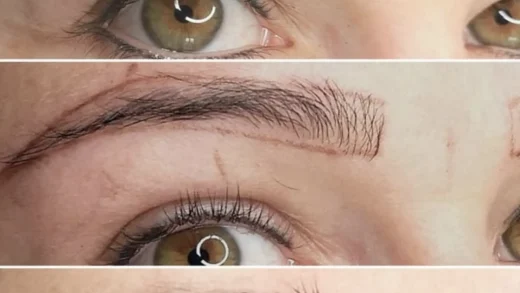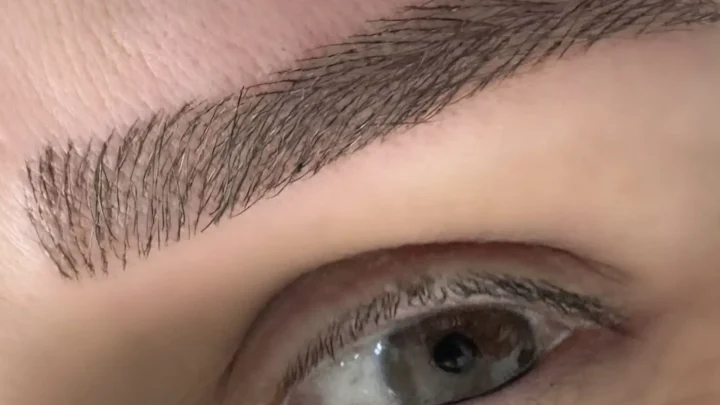

What if I ruined my microblading after 2 years? Trust me, I hear this more than you’d think — and it doesn’t mean you’ll be stuck with bad brows forever. Whether your brow shape has shifted, the pigment has gone patchy, or a skincare routine has caused unexpected fading, there are ways to bring those brows back to life.
In Melbourne, between sun exposure in summer and dry skin conditions in winter, semi-permanent tattooing faces more challenges than people realise. At Face Figurati Cosmetic Tattoo Studio, I’ve helped clients whose microblading eyebrow work seemed unsalvageable — from faded natural hair strokes to botched pigment settling — and given them a proper healing process with realistic results.
Contents
- 1 Why Old Brows Don’t Age Gracefully
- 2 Common reasons
- 3 When to Refresh or Remove
- 4 Your repair options
- 5 Can microblading be removed?
- 6 Brow rescue healing process
- 7 Aftercare
- 8 How to Avoid Another Microblading Fail
- 9 The emotional side of brow repair
- 10 Pricing guide
- 11 Final thoughts
- 12 FAQ
- 12.1 Can an eyebrow tattoo fade completely after 2 years?
- 12.2 How long should I wait after laser tattoo removal before redoing my brows?
- 12.3 Can colour correction work if my pigment has turned orange?
- 12.4 What’s the difference between a touch up and a follow-up appointment?
- 12.5 Is dry healing better than using a healing balm?
Why Old Brows Don’t Age Gracefully
Two years is often when microblading pigment begins to fade noticeably, and signs of bad microblading eyebrows start to surface. Your skin type, aftercare instructions and how well you followed the microblading healing process all play a role.
Pigment can shift warmer or cooler depending on your microblading pigment formula and your skin’s oil production. Brow hair density can also change with age, making the original natural shape less flattering. Add in a couple of chemical peels or overuse of salicylic acid, and your cosmetic tattoo will likely fade faster than expected.
Common reasons
It’s not always the client’s fault — sometimes it’s pigment science, sometimes it’s lifestyle. Here’s what I see most often in Melbourne:
- Uneven fading – Often linked to oily skin type, improper post-op care or skipping your follow-up appointment.
- Colour change – Pigment settling into warmer or cooler tones due to colour theory and skin undertones.
- Shape distortion – Facial movement and collagen changes alter the original brow shape.
- Sun exposure – Without daily SPF, UV rays break down pigments quickly.
- Over-exfoliation – Microblading pigment fades faster with regular chemical peels or harsh exfoliants.
- Skin conditions – Eczema or psoriasis can interrupt healing and colour retention.
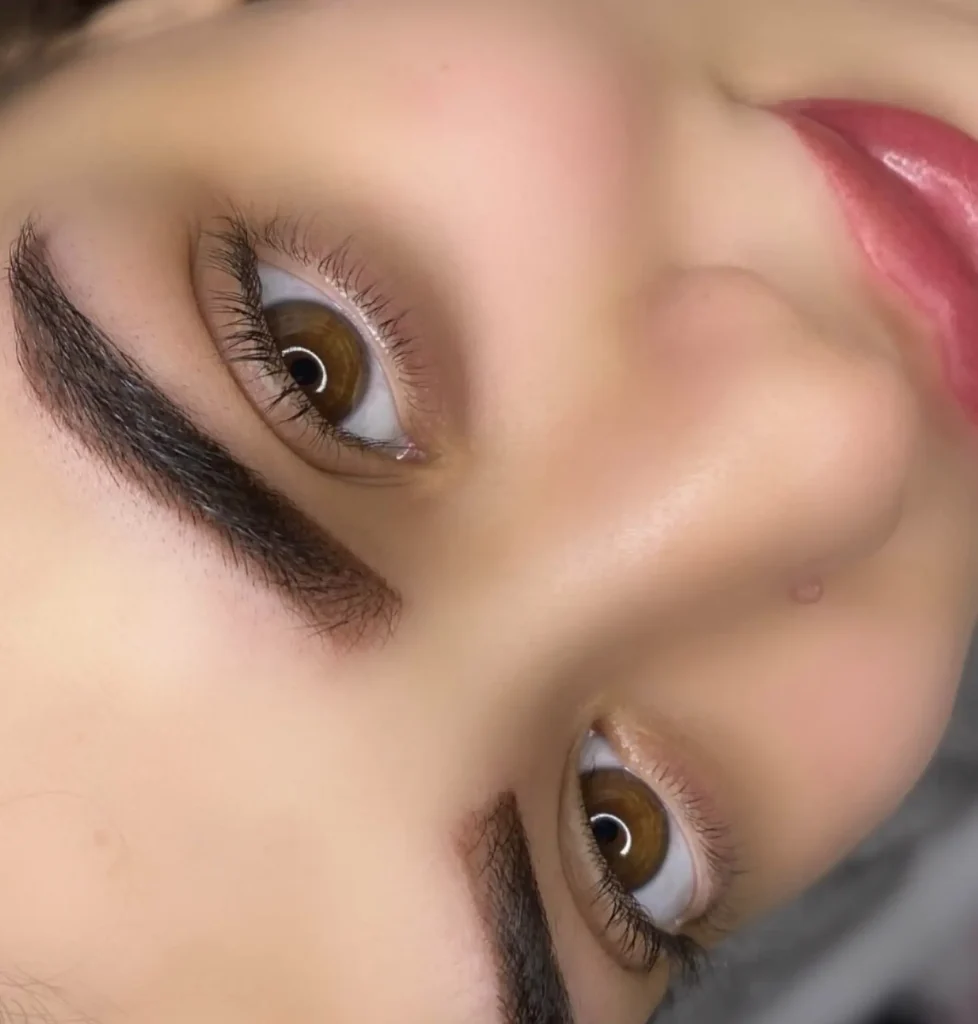
I’ve seen clients come in after watching a microblading course online and trying DIY fixes only to discover that correcting bad work takes far more skill and understanding of skin and pigment behaviour.
When to Refresh or Remove
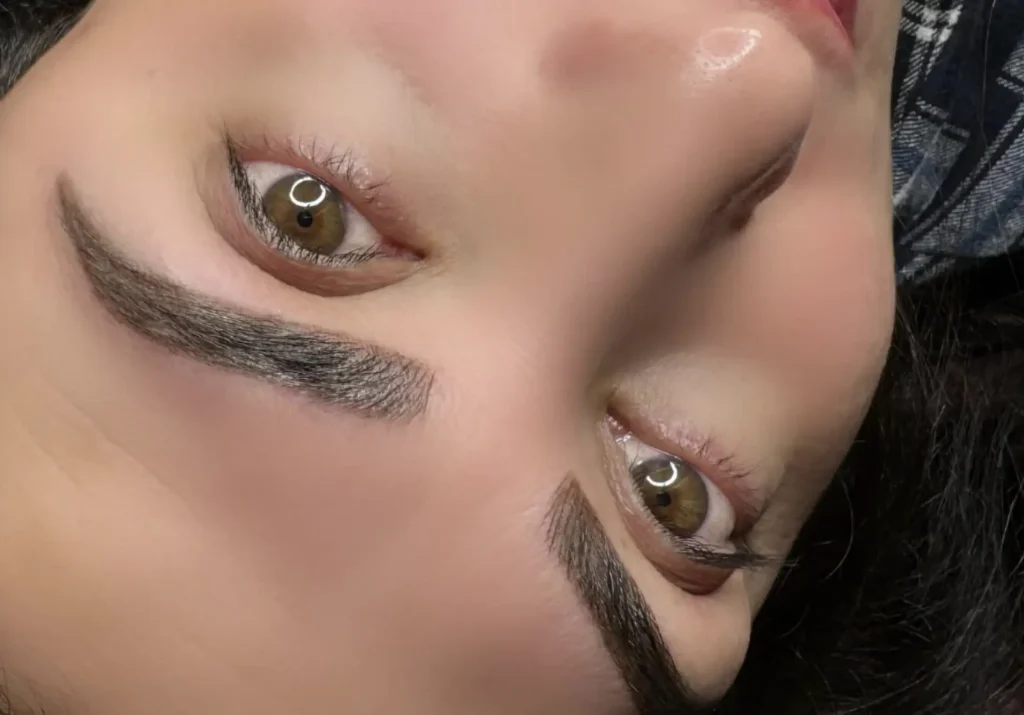
Not every faded or uneven eyebrow tattoo needs to be removed. Sometimes all you need is a touch-up appointment to get crispness and colour back.
A refresh is best when:
- The original natural shape is still flattering to your face
- Pigment has faded evenly
- Your skin is healthy and ready for new strokes
Removal is better when:
- The shape is poorly placed or doesn’t match your brow hair flow
- Pigment is saturated or migrated
- Old colours are interfering with your desired result
Your repair options
When working with eyebrow touch-up microblading that’s past the two-year mark, you typically have three options:
| Option | Best for | Timeframe | Downtime |
|---|---|---|---|
| Colour correction | Pigment shift to warm/ashy tones | 1–2 hours | Minimal flaking |
| Shape correction | Slight asymmetry | 1–2 sessions | Minimal |
| Full removal | Severe pigment or shape issues | Multiple sessions | Redness/swelling is possible |
Many Melbourne brow specialists start with a saline solution removal session or light laser tattoo removal before adding new strokes. This way, your microblading artist can work cleanly, without layering pigment on top of a bad base.
Can microblading be removed?
Yes — both saline solution tattoo removal and laser tattoo removal can work on older permanent makeup.
- Saline removal – Uses an osmosis process to lift pigment, perfect for semi-permanent tattooing and delicate areas.
- Laser tattoo removal – Works faster for darker pigments but needs a skilled laser technician to avoid colour change in cosmetic tattoo pigment.
As a cosmetic tattoo artist, I often recommend saline for microblading eyebrow work because it’s gentler, and post-op care is easier with healing balm or antibiotic ointment.
Brow rescue healing process
Repairing microbladed brows is more like rehab than a quick fix. A responsible cosmetic procedures plan includes:
- Consultation – Assess skin conditions, pigment, and brow shape. Bring an inspiration photo for discussion.
- Removal or correction sessions – Spaced 6–8 weeks apart to allow proper healing.
- Rest phase – Essential for pigment settling and skin recovery.
- Redesign & tattooing – Microblading appointment tailored to your natural shape and natural hair strokes.
- Follow-up appointment – Around 6–8 weeks later for perfecting strokes and colour retention.
During each stage, I provide aftercare instructions, a healing ointment, and sometimes a goodie bag with SPF samples.
Aftercare
Dry healing versus using a healing balm is one of the big debates among microblading specialists. I prefer light ointment use for most skin types, but for oily skin, dry healing can prevent excess oil production from interfering with pigment settling.
General post-op care:
- Avoid sun exposure during the first 10–14 days
- Skip saunas, swimming, and heavy workouts
- Do not pick at flaking pigment
- Use healing ointment sparingly as instructed
- Keep the area clean and free of makeup
How to Avoid Another Microblading Fail
Once your brows are corrected, maintenance is key:
- Book a yearly touch up appointment
- Use SPF daily on your brows — even in winter
- Avoid chemical peels near the brow area
- Follow your microblading artist’s aftercare instructions to the letter
- See your brow specialist if you see pigment shifting
The emotional side of brow repair
When a client says, “I messed up my microblading after 2 years,” it’s not just about the aesthetics. Brows frame the face — if they’re off, it affects your self-confidence. As a brow specialist, I’m part cosmetic tattoo artist, part problem solver.
I’ve had clients walk into my Melbourne studio with their brows hidden under a fringe and leave after corrective work with their confidence back — proof that with the right microblading eyebrow repair plan, you can love your brows again.
Pricing guide
Costs vary by procedure and the skill of the microblading specialist:
- Colour correction: $250–$400 per session
- Saline solution removal: $150–$300 per session
- Laser tattoo removal: $200–$450 per session
- Full eyebrows microblading redesign: $500–$900
Final thoughts
If you’ve had microbladed brows for over two years and you’re unhappy, you have options. With the right cosmetic tattoo artist, proper aftercare and patience, you can restore a flattering natural shape that complements your brow hair and the rest of your face.
Still unsure? Book a microblading appointment at Face Figurati Cosmetic Tattoo Studio in Melbourne — we’ll assess your skin type, pigment history and goals to create a plan that works for you.
FAQ
Can an eyebrow tattoo fade completely after 2 years?
Yes — especially if you’ve had a lot of sun exposure, used strong exfoliants or have an oily skin type.
How long should I wait after laser tattoo removal before redoing my brows?
Usually 6–8 weeks, but your laser technician or cosmetic tattoo artist will confirm based on your skin’s healing process.
Can colour correction work if my pigment has turned orange?
Yes — a brow specialist can use colour theory to neutralise warm tones before applying your new strokes.
What’s the difference between a touch up and a follow-up appointment?
A follow-up is included in the initial microblading experience to perfect your brows after healing. A touch up is usually done 12+ months later to refresh colour retention.
Is dry healing better than using a healing balm?
It depends on your skin type. Oily skin often benefits from dry healing, while dry or sensitive skin may heal better with a light healing ointment.
{ “@context”: “https://schema.org”, “@type”: “FAQPage”, “mainEntity”: [ { “@type”: “Question”, “name”: “Can an eyebrow tattoo fade completely after 2 years?”, “acceptedAnswer”: { “@type”: “Answer”, “text”: “Yes — especially if you’ve had a lot of sun exposure, used strong exfoliants or have an oily skin type.” } }, { “@type”: “Question”, “name”: “How long should I wait after laser tattoo removal before redoing my brows?”, “acceptedAnswer”: { “@type”: “Answer”, “text”: “Usually 6–8 weeks, but your laser technician or cosmetic tattoo artist will confirm based on your skin’s healing process.” } }, { “@type”: “Question”, “name”: “Can colour correction work if my pigment has turned orange?”, “acceptedAnswer”: { “@type”: “Answer”, “text”: “Yes — a brow specialist can use colour theory to neutralise warm tones before applying your new strokes.” } }, { “@type”: “Question”, “name”: “What’s the difference between a touch up and a follow-up appointment?”, “acceptedAnswer”: { “@type”: “Answer”, “text”: “A follow-up is included in the initial microblading experience to perfect your brows after healing. A touch up is usually done 12+ months later to refresh colour retention.” } }, { “@type”: “Question”, “name”: “Is dry healing better than using a healing balm?”, “acceptedAnswer”: { “@type”: “Answer”, “text”: “It depends on your skin type. Oily skin often benefits from dry healing, while dry or sensitive skin may heal better with a light healing ointment.” } } ] }